
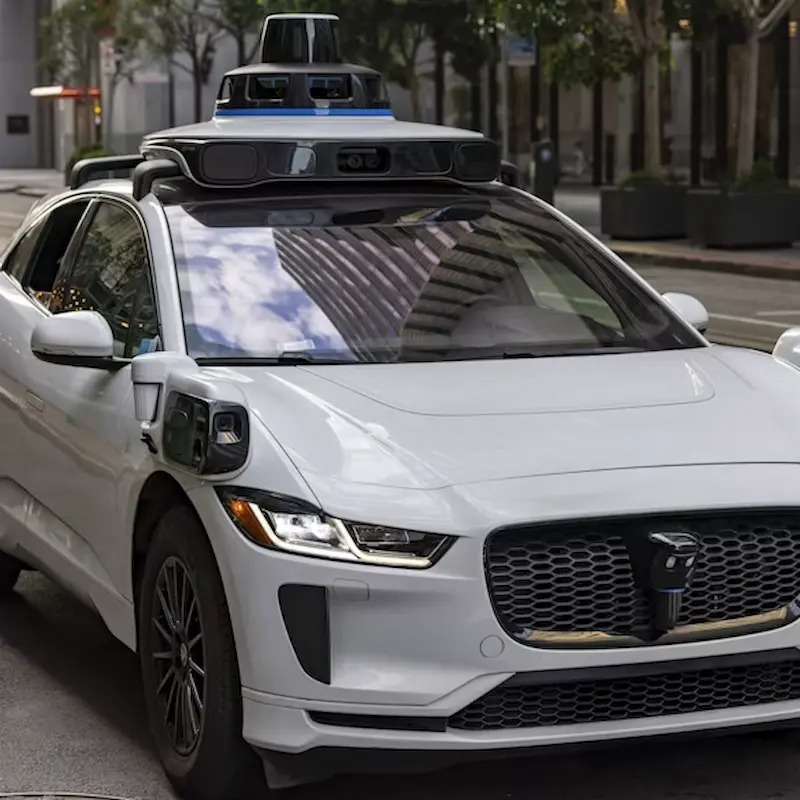
A recent systematic review in Transportation Research Part D: Transport and Environment reveals that public acceptance of self-driving cars relies far more on psychological trust, safety perceptions, and regulatory clarity than on technical advancements alone.
Study Overview
Synthetic software systems have always dominated structural administration workflows, but automated mobility systems are now establishing a clear presence in modern transportation research by demonstrating measurable shifts in safety expectations, liability frameworks, and public trust dynamics. Researchers analyzed empirical data from dozens of recent studies in developed countries to determine how psychological variables, prior experiences, and governance frameworks influence the public's willingness to adopt automated vehicle technologies.
Key Findings
- Trust and Risk Perception Define Adoption: The review highlights that user acceptance hinges directly on how safely the machine interacts with humans, meaning that even minor software unpredictability can significantly increase perceived physical risk and erode public trust.
- Prior Experience Dictates Readiness: Individuals who have previously used lower-level driver-assistance features are far more comfortable with advanced autonomy, demonstrating that gradual familiarity is essential to building user confidence.
- Regulatory Frameworks Remain Weak: A lack of clear legal liability rules and unrefined social contracts regarding accident responsibility stand out as major structural barriers that keep cautious consumers from adopting self-driving platforms.
Why It Matters
This research points out that digital tools are rapidly shifting from basic scheduling helpers to complex analytical assistants. Rather than viewing computer models as direct replacements for human professionals, the data show that these platforms serve best as secondary support systems. Understanding the balance between automated tracking and actual clinical judgment allows transit planners and tech developers to safely modernize transport models without losing the personal touch necessary for public comfort.
Takeaways
The study reveals that policymakers and automotive developers can optimize transit systems by:
- Building Human-Centric Interfaces: Design transparent human-machine interfaces that clearly communicate vehicle intent to passengers and pedestrians, directly addressing safety anxieties.
- Establishing Clear Liability Standards: Standardize legal frameworks for accident liability to eliminate consumer confusion and foster baseline consumer confidence before mass-market rollouts.
- Implementing Gradual Public Testing: Introduce targeted public education campaigns and low-speed community pilot programs to allow everyday drivers to build trust through direct, hands-on experience.
Read the Research: Transportation Research Part D: Transport and Environment. Drivers and Barriers to AV Adoption: A Systematic Review. 2025. https://www.sciencedirect.com/science/article/abs/pii/S1361920925005875