
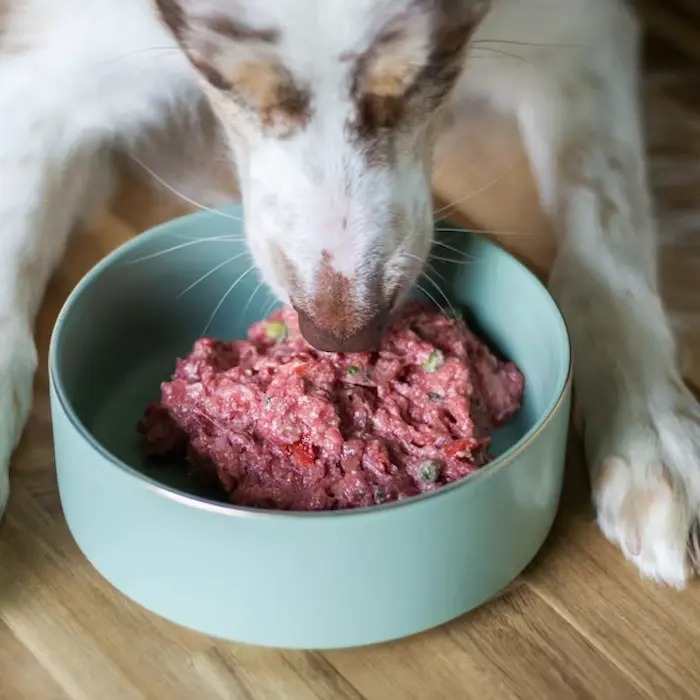
A recent study in The Veterinary Journal highlights that feeding dogs a raw meat-based diet leads to significantly more stable blood sugar levels and better fat burning, whereas traditional high-carbohydrate kibble diets can elevate metabolic stress markers and cause noticeable weight gain.
Study Overview
Highly processed commercial kibble has long been the standard choice for pet owners, but fresh food alternatives are gaining significant traction in veterinary research, showing real improvements in dogs' blood sugar and fat metabolism. Researchers from the University of Helsinki evaluated clinical data from an intervention trial involving Staffordshire Bull Terriers over a four-month period. They wanted to see how an ultra-processed, high-carbohydrate kibble diet compares directly with a low-carbohydrate, raw-meat-based diet.
Key Findings
- Metabolic Flexibility Improves: Dogs on the raw meat-based diet showed significantly higher blood ketone levels (natural energy molecules produced when the body burns fat for fuel). This indicates that their systems were actively and cleanly burning fat for daily energy rather than relying on constant sugar rushes from heavy carbohydrates.
- Blood Sugar and Lipids Stabilize: The raw-fed group experienced a clear decrease in fasting glucose levels and a lower triglyceride-glucose index, indicating enhanced insulin sensitivity and reduced long-term risk of metabolic diseases.
- Kibble Induces Weight Strain: Conversely, dogs consuming the high-carbohydrate kibble diet exhibited elevated long-term blood sugar markers, increased total cholesterol, and progressive weight gain over the course of the study.
Why It Matters
This research shifts the perspective on canine health away from simply calculating raw caloric volume or trusting conventional, highly processed pet food standards. Instead, clinical data show that a dog’s metabolism operates far more efficiently when fueled by whole-animal proteins and fats rather than starchy fillers. Understanding how different energy sources affect blood biomarkers enables pet owners and veterinary professionals to design comprehensive, species-appropriate meal plans that support metabolic longevity and prevent obesity-related health issues.
Takeaways
The study reveals that dog owners and veterinary professionals can optimize canine vitality by:
- Prioritizing Metabolic Stability: Shift toward canine diets that minimize non-fiber carbohydrate fillers to prevent continuous blood sugar spikes and safeguard overall insulin function.
- Supporting Natural Fat Burning: Incorporate fresh, high-quality fats and whole-animal proteins to promote metabolic flexibility, enabling the dog's body to use fat as its primary energy source.
- Monitoring Long-Term Biomarkers: Work with a veterinarian to track body condition scores alongside routine lipid profiles, adjusting commercial portions to prevent the weight gain typically associated with ultra-processed diets.
Read the Research: The Veterinary Journal. The effect of a kibble diet versus a raw meat-based diet on energy metabolism biomarkers in dogs. December 2025. https://www.sciencedirect.com/science/article/pii/S1090023325001662